The permafrost zone contains 1,460 to 1,600 petagrams (Pg) of carbon - twice the amount currently stored in the atmosphere. As the climate continues to warm, and permafrost continues to thaw, large amounts of previously frozen carbon may be exposed to microbial degradation, which can release carbon dioxide (CO2) and methane (CH4) to the atmosphere. Even the release of a small fraction of this stored permafrost carbon to the atmosphere will contribute significantly to current greenhouse gas concentrations and is considered one of the most important, yet poorly quantified, biogeochemical feedbacks to climate change.
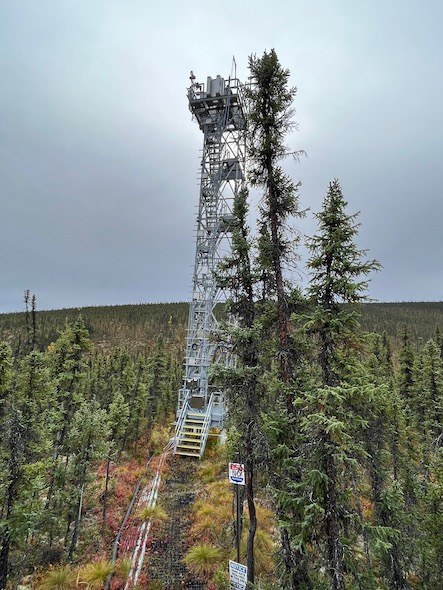
NEON flux tower at Caribou Poker Creek Experimental Research Station
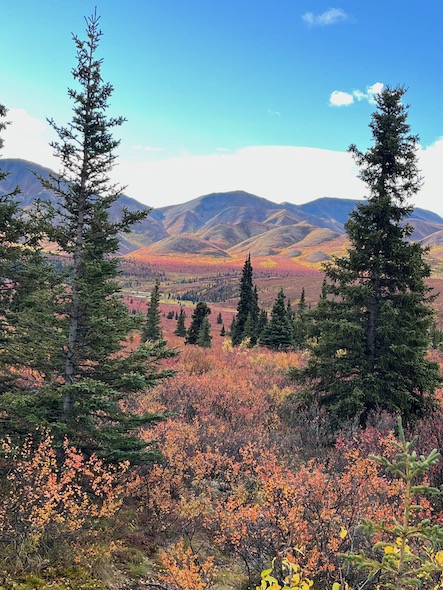
Fall colors in AK
Fall colors in AK
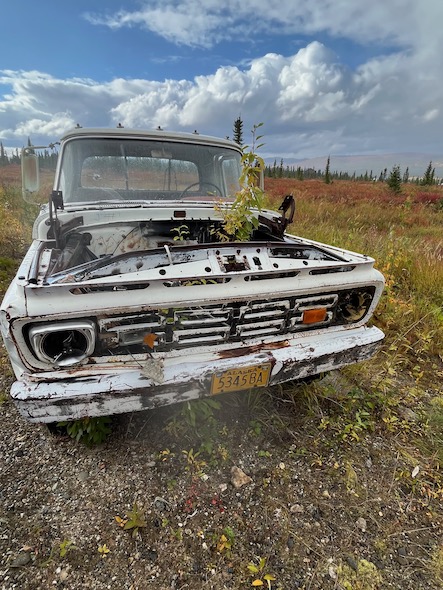
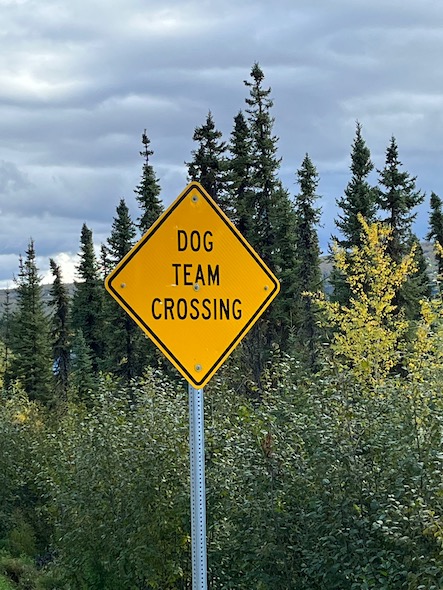
Truck near Healy, AK
Bonanza Creek LTER
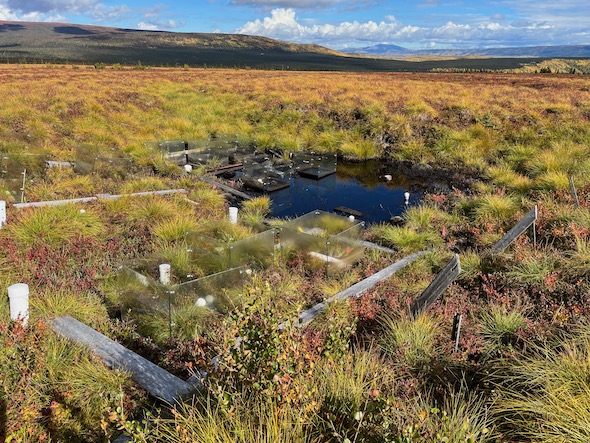
Experimental Warming Site near Healy, AK
Near Fairbanks, AK
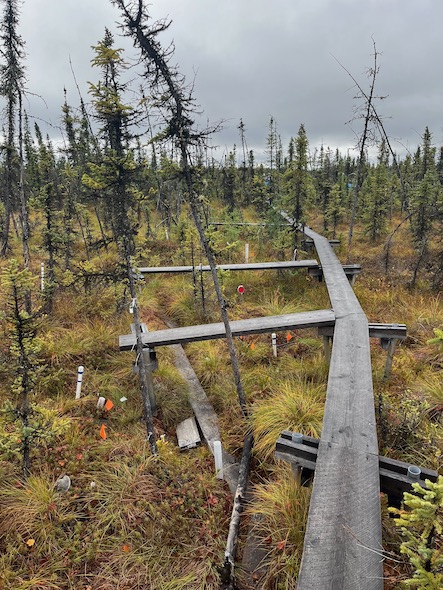
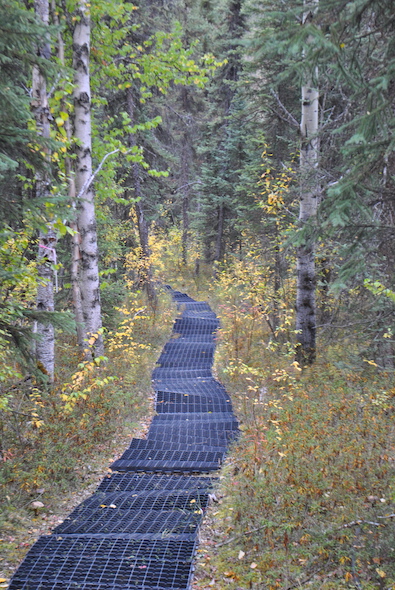
Walking path at Caribou Poker Creek Experimental Research Station
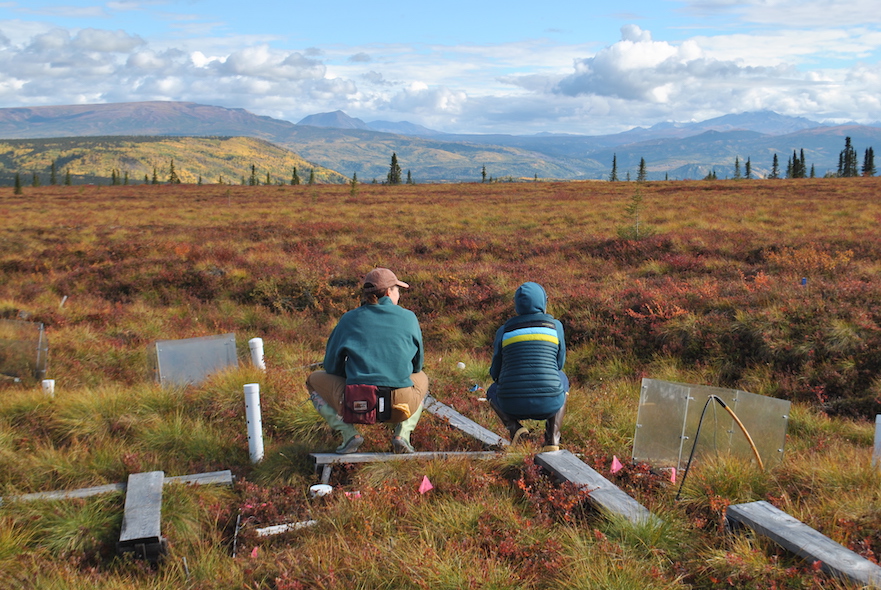
Scientists at experimental warming site near Healy, AK
Warming Permafrost Model Intercomparison Project (WrPMIP)
Funded by the US Department of Energy and led by PI-Christina Schaedel at Woodwell, the Warming Permafrost Model Intercomparison Project (WrPMIP) is working to improve permafrost representation in state-of-the-art carbon cycle models. Accurately representing permafrost carbon dynamics in models is crucial for projecting the magnitude and timing of permafrost carbon emissions, and ultimately for predicting the rate and magnitude of future climate change. The complexity of these models and the pressing need to reduce model uncertainty requires innovative approaches for evaluating model results. Dr. Huntzinger and several of her students are collaborating with researchers at Woodwell Climate Research Center, Lawrence Berkeley National Laboratory, and modeling teams from the U.S. and Europe on confronting climate models with experimental data from long-term warming experiments spread across the Arctic. Manipulative field-based experiments provide an opportunity to inform model projections about the magnitude and underlying mechanisms of permafrost carbon dynamics in a changing Arctic This is because manipulative experiments (e.g., warming experiments) are designed to collect information about ecosystem processes under the same types of environmental conditions that might exist as climate continues to warm. The team is working on a set of coordinated synthesis and modeling activities that will, collectively, improve understanding of the permafrost C feedback and implications for future climate change.
Warming Permafrost Model Intercomparison Project (WrPMIP)
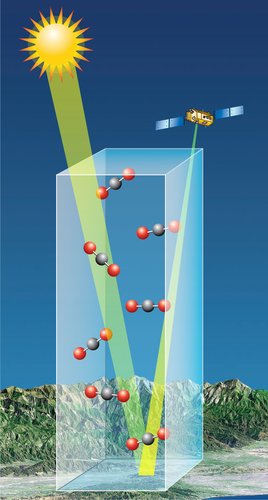
Satellite monitoring of greenhouse gases (GHGs) in the atmosphere has expanded significantly in the past decade. NASA’s Orbiting Carbon Observatories 2 and 3 collect millions of observations every year. Dr. Huntzinger’s research team is collaborating with Scot Miller at Johns Hopkins University and Vineet Yadav at NASA’s Jet Propulsion Laboratory (JPL) to quantify GHG sources and sinks across the Arctic using a combination of atmospheric observations, remote sensing, and bottom-up models of the carbon cycle. We are focusing on two aspects of the carbon cycle that are likely key indicators of the vulnerability of GHG fluxes to future change: (1) carbon uptake and loss during the fall and spring cold seasons and (2) inter-annual variability of carbon exchange across high latitude regions. This project is funded by NASA’s Arctic-Boreal Vulnerability Experiment (ABoVE).